




ALL ABOUT DIAMONDS
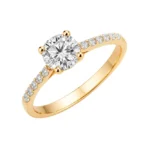
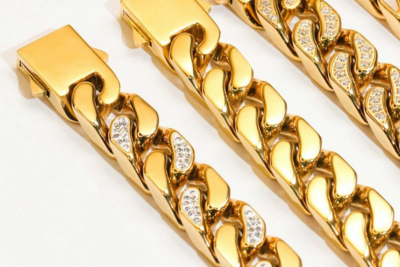
Renowned for their breathtaking beauty, diamonds stand as some of the most exquisite gemstones on the planet. The escalating demand for diamonds has led to their incorporation into various types of jewellery, ranging from dazzling diamond rings to glittering diamond-encrusted chains.
In this comprehensive diamond guide, the adept team at Watchmax Jewellers imparts their expertise. We will delve into the 4Cs, offering insights to help you gauge the quality of your diamond, along with valuable tips for selecting and maintaining your precious stone.
HISTORY OF DIAMONDS
The history of diamonds is a fascinating journey that spans thousands of years. Here’s a brief overview of the historical milestones of diamonds:
Ancient Times:
Diamonds were first discovered and mined in India, dating back to at least 6,000 years ago. Initially, diamonds were valued for their natural hardness rather than their sparkling beauty.
Diamonds in Antiquity:
Diamonds became symbols of strength and invincibility in ancient cultures. The earliest recorded diamond engagement ring was given in 1477 when Archduke Maximilian of Austria gave a diamond ring to Mary of Burgundy.
Indian Diamond Trade:
India was the primary source of diamonds until the 18th century when diamond deposits were discovered in Brazil.
Diamonds in Brazil:
In the early 18th century, significant diamond deposits were found in Brazil, changing the global diamond trade landscape.
South African Diamond Rush:
The discovery of diamonds in Kimberley, South Africa, in the late 19th century led to a diamond rush and the establishment of De Beers Consolidated Mines in 1888.
De Beers Dominance:
De Beers, under the leadership of Cecil Rhodes, played a pivotal role in consolidating and controlling the global diamond market.
Diamonds in Popular Culture:
In the 20th century, diamonds became associated with romance and luxury, thanks in part to successful marketing campaigns by De Beers, including the famous slogan “A Diamond is Forever.”
Conflict Diamonds:
In the late 20th century, concerns about “blood diamonds” or “conflict diamonds” emerged, referring to diamonds mined in war zones and used to fund armed conflict against governments.
Kimberley Process:
The international community established the Kimberley Process Certification Scheme in 2003 to curb the trade in conflict diamonds.
Modern Diamond Industry:
Today, diamonds are mined in various countries, with major producers including Russia, Botswana, Canada, and Australia.
Lab-grown diamonds have become a more accessible and ethical alternative to mined diamonds in recent years.
Throughout history, diamonds have held cultural, economic, and symbolic significance, evolving from tools and symbols of strength to coveted gemstones associated with love and luxury. The diamond industry continues to evolve with advancements in technology, changing consumer preferences, and increased awareness of ethical sourcing.
HOW TO CHOOSE A DIAMOND
Examining the 4Cs of diamond quality can simplify your decision-making process when selecting the ideal diamond. The 4Cs encompass the cut, colour, carat, and clarity of a diamond, and each of these elements plays a crucial role in influencing the beauty and brilliance of the diamond.
To delve deeper into this subject, we invite you to explore our comprehensive diamond guide and peruse our blog dedicated to the 4Cs of diamond quality for more insightful information.
THE ANATOMY OF A DIAMOND
A diamond is made up of several cuts, each of which affects the amount of light that a diamond is able to reflect, consequently impacting its overall sparkle and brilliance.

DIFFERENT DIAMOND CUTS
Selecting a diamond cut poses a unique challenge as it doesn’t lend itself to a straightforward scale like clarity, colour, or carat. Instead, evaluating the quality of a diamond cut demands a discerning eye.
The interplay between the crown angle and pavilion angle is considered to wield the most significant impact on a diamond’s appearance. A slightly steep crown angle, for instance, can be balanced by a shallower pavilion angle, and vice versa.

HOW ARE DIAMONDS CUT
Diamond cutting is a meticulous process that involves several steps to transform a rough diamond into a polished and faceted gemstone. Here are the typical steps in the diamond cutting process:
Planning:
Before cutting begins, diamond cutters carefully examine the rough diamond to determine the best way to cut it. They consider the diamond’s shape, size, and any internal flaws or inclusions.
Cleaving or Sawing:
The first actual step in cutting involves either cleaving or sawing the diamond. Cleaving is a process where a sharp blade is used to split the diamond along its natural planes, exploiting its crystal structure. Sawing involves cutting the diamond using a laser-equipped saw.
Bruting:
The diamond is shaped into a round form through bruting. This involves rotating the diamond against another diamond or grinding wheel to create a rounded shape.
Faceting:
The diamond is then cut with a series of flat, polished surfaces called facets. The number and arrangement of facets depend on the desired shape and cut of the diamond.
Blocking:
In this step, the basic outline of the diamond is created by establishing the main facets. Blocking sets the foundation for the more intricate facets to be added later.
Pavilion Facets:
The pavilion, or bottom part of the diamond, is then cut. This involves adding facets to the bottom half of the diamond to enhance its brilliance.
Crown Facets:
After the pavilion, the crown, or top part of the diamond, is faceted. The crown facets are added to maximize the diamond’s fire and sparkle.
Final Inspection and Polishing:
The finished diamond is carefully inspected for any imperfections or remaining flaws. The diamond is then polished to remove any remaining marks or scratches, resulting in the final, brilliant gemstone.
It’s important to note that the specific steps and techniques can vary based on the shape and quality of the rough diamond, as well as the desired final cut. Highly skilled diamond cutters use precision and expertise to bring out the best qualities in each diamond during the cutting process.
HOW TO WEAR DIAMONDS
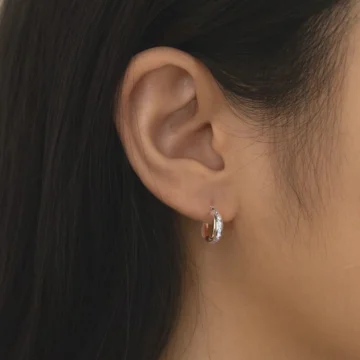
Maximize the impact of your diamond earrings by styling your hair in a relaxed updo to showcase their exquisite beauty. While diamonds were traditionally reserved for formal and extravagant events, today, they seamlessly transition into everyday wear.
Given their predominantly colourless nature, diamond earrings offer remarkable versatility, effortlessly complementing any outfit. Yet, to accentuate their allure, prioritize simplicity; avoid excessive jewelry that might divert attention from their inherent beauty.

WHAT IS DIAMOND COLOUR
One of the 4Cs in the assessment of diamonds, diamond colour specifically denotes the absence of colour in the diamond. A diamond that is pure and completely colourless holds a higher value compared to alternatives. The Gemological Institute of America (GIA) employs a colour grading system ranging from D to Z to gauge the extent of colouration in diamonds.

WHICH DIAMOND COLOUR IS THE MOST EXPENSIVE?
Red diamonds are deemed the rarest and consequently the most costly among diamond colors. It is estimated that there are fewer than 30 authentic red diamonds globally. The red hue emerges during the diamond’s formation, altering its crystal structure and allowing light to pass through.
The largest red diamond ever recorded in a sale weighed over five carats and was purchased for a staggering $8 million, translating to approximately $1.6 million per carat.
WHAT IS DIAMOND CLARITY?
When it comes to evaluating the quality of a diamond, clarity is a crucial factor. This aspect, one of the renowned 4Cs, delves into the presence of imperfections, including inclusions and blemishes. Let’s embark on a journey to comprehend diamond clarity and its impact on the overall allure of these precious gemstones.
Understanding Inclusions and Blemishes:
In the realm of diamond clarity, two types of flaws take centre stage:
- Inclusions: Internal flaws like tiny crystals, feathers, or clouds.
- Blemishes: External flaws on the diamond’s surface, such as scratches, nicks, or natural markings.
The Clarity Grading Scale:
Leading gemological institutions, notably the Gemological Institute of America (GIA), employ a meticulous grading scale:
- Flawless (FL) and Internally Flawless (IF): No visible flaws, with IF having insignificant surface blemishes.
- Very, Very Slightly Included (VVS1 and VVS2): Nearly imperceptible inclusions under 10x magnification.
- Very Slightly Included (VS1 and VS2): Minor inclusions, detectable under 10x magnification.
- Slightly Included (SI1 and SI2): Noticeable inclusions under magnification but possibly invisible to the naked eye.
- Included (I1, I2, and I3): Visible to the naked eye, with I3 exhibiting the most noticeable imperfections.
Common Clarity Grades:
- Flawless (FL) and Internally Flawless (IF):
- No internal flaws; IF may have insignificant surface blemishes.
- Very, Very Slightly Included (VVS1 and VVS2):
- Inclusions are extremely challenging to detect even under 10x magnification.
- Very Slightly Included (VS1 and VS2):
- Inclusions are visible under 10x magnification but are considered minor.
- Slightly Included (SI1 and SI2):
- Inclusions are noticeable under magnification but may not be visible to the naked eye.
- Included (I1, I2, and I3):
- Inclusions are visible to the naked eye, with I3 having the most noticeable imperfections.
Impact on Value:
In general, diamonds with fewer and less visible inclusions command higher clarity grades and, consequently, greater value.
Choosing Clarity:
The decision on clarity often hinges on personal preferences, budget constraints, and the desired aesthetic. While some may prioritize a flawless appearance, others may find slightly included diamonds acceptable, especially when it allows for a larger carat size within budget constraints.
Understanding diamond clarity empowers buyers to make informed decisions aligned with their preferences and budget considerations. The journey into the intricate world of diamond clarity is not just about choosing a gemstone; it’s about selecting a piece of timeless beauty that resonates with individual tastes and styles.
HOW TO CLEAN A DIAMOND
Cleaning a diamond is a simple process that helps maintain its brilliance and sparkle. Here’s a step-by-step guide on how to clean a diamond:
Materials You’ll Need:
- Mild dish soap
- Warm water
- Soft toothbrush or jewellery brush
- Lint-free cloth
Steps:
- Prepare a Cleaning Solution:
- Fill a bowl with warm water.
- Add a small amount of mild dish soap. Avoid using harsh detergents or chemicals.
- Soak the Diamond:
- Place the diamond jewellery in soapy water.
- Let it soak for 15-20 minutes to loosen dirt and oil.
- Gently Brush the Diamond:
- Use a soft toothbrush or a jewellery brush to gently scrub the diamond.
- Pay attention to areas around prongs and settings where dirt can accumulate.
- Rinse Thoroughly:
- After brushing, rinse the diamond thoroughly under warm running water.
- Ensure that all soap residue is washed away.
- Inspect for Remaining Dirt:
- Examine the diamond to see if any dirt or residue persists.
- If needed, repeat the soaking and brushing process.
- Dry the Diamond:
- Pat the diamond dry with a clean, lint-free cloth.
- Ensure that no water spots are left on the diamond’s surface.
Additional Tips:
- Ultrasonic Cleaner:
- If you have an ultrasonic jewellery cleaner, it can be an effective and convenient tool for cleaning diamonds. Follow the manufacturer’s instructions.
- Professional Cleaning:
- Periodically, consider having your diamond professionally cleaned by a jeweller. They can also check for loose settings or any other issues.
- Avoid Harsh Chemicals:
- Do not use bleach, chlorine, or other harsh chemicals as they can damage the metal setting and potentially harm the diamond.
- Store Properly:
- When not wearing your diamond jewellery
- ry, store it in a fabric-lined jewellery box or pouch to prevent scratching and dust accumulation.
Regular cleaning helps your diamond maintain its brilliance and ensures that it continues to sparkle. It’s important to be gentle during the cleaning process to avoid any damage to the setting or the diamond itself.